
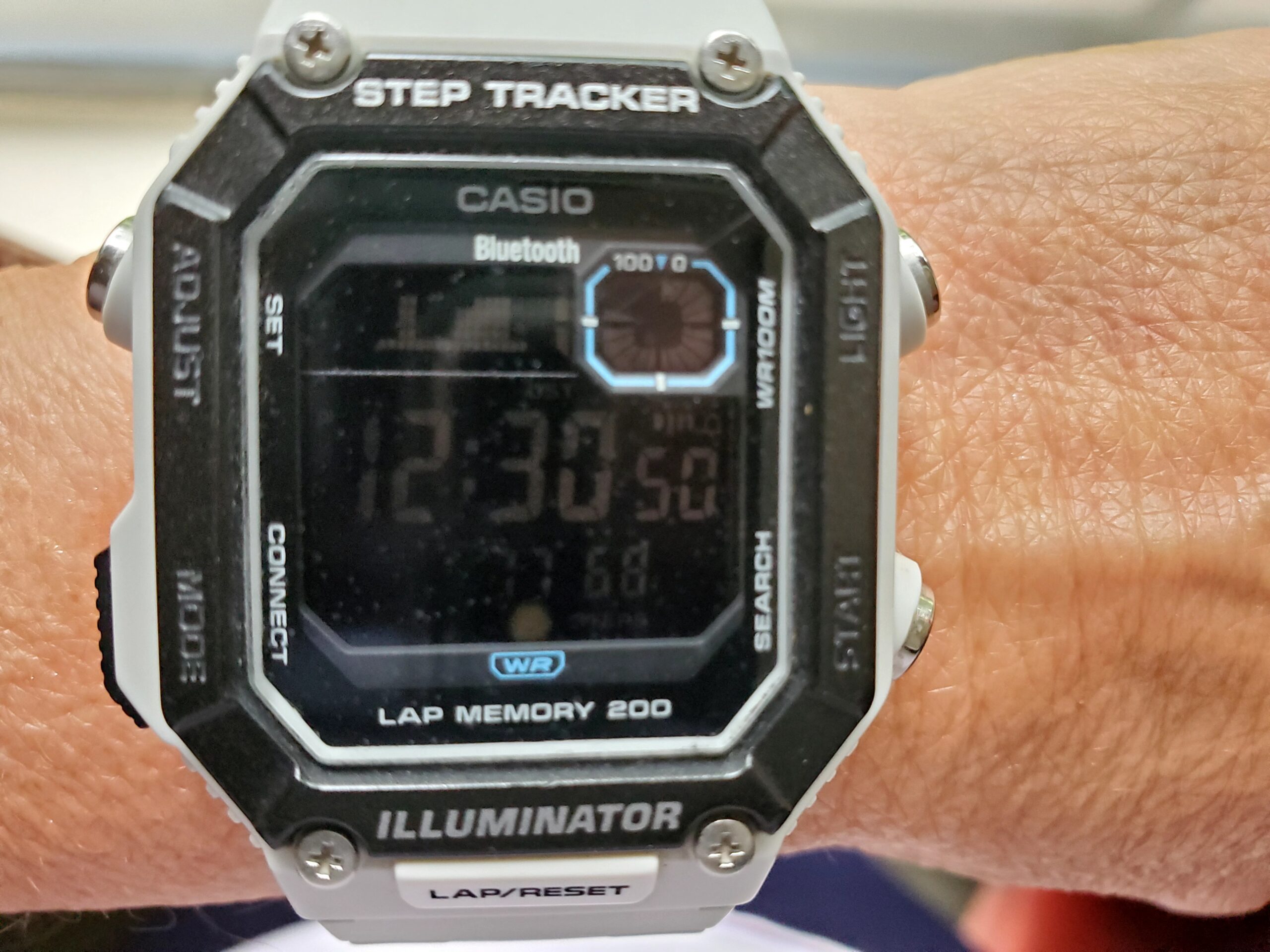
 I’ve worn fitness watches for years. I like to glance at my wrist and see the time, as well as know how many steps I’ve walked.
The alarm on my watch stirs me at 5 a.m. each day, so I have some early morning writing time before the rest of the world awakens.
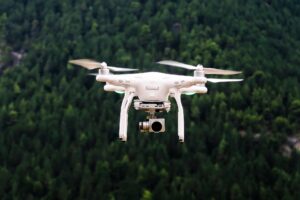
My watch is such an integral part of my life that it inspired a scene in a book I’m writing. In my current project, a character named Rosa Flores goes missing while camping with other college students. Her father hired private detective Luke Charles to find her. While searching for Rosa, Luke meets drone operator Ellen Nance, who’s looking for her sister who vanished from the same campground as Rosa.
I wondered. If Rosa wore a fitness watch, would it be trackable?
Maybe.
Most fitness watches, like Fitbit and Apple Watches, come with charging devices and must be recharged when the battery runs down. If the battery dies, the tracker stops emitting a Bluetooth signal, making it impossible to find the device.
Some other brands of watches, like most Casio fitness trackers, run off little button batteries that keep the Bluetooth signal strong for a year or longer. This is the kind of watch I prefer. The watches that require a charger are more expensive, and charging the device is a bother. But that’s a conversation for another post.
Back to the possibility of locating the watch with a drone:
I interviewed a drone operator who’s experienced in search and rescue, and he said he’d taken a class in searching for a Bluetooth signal and confirmed my belief that it was possible to find someone using this technology.
After a bit of research, including watching Edwin Pagan’s excellent YouTube video that explains how to track a Bluetooth signal, I felt confident to write the scene. Pagan suggests using an app called Bluetooth Hero (aka BLE Hero, which stands for Bluetooth Low Energy) to find devices.
The Bluetooth Hero app has several uses. For example, if you think your home, office, or hotel room is bugged, you can use the app to reveal any hidden camera or other device that emits a Bluetooth signal.
It’s also handy for finding lost things. Most pet trackers, as well as those tags people put on their keychains, emit a Bluetooth signal. If you’ve misplaced a watch, earbud, or other item that emits a signal, you can use the app to find the lost gadget.
So did the drone find the Bluetooth signal?
But back to my story. Did Ellen Nance have success using her drone to locate the missing Rosa Flores?
Yes and no.
Detective Charles found a picture of Rosa wearing her tracker and identified the model and confirmed that it was the kind that does not require recharging. Good. The watch, if located, should emit a signal that includes the manufacturer’s name and the device’s serial number. The detective spoke to Rosa’s dad, who dug around and found the warranty for her device, which included the serial number. If you were searching in a crowded area, such as a college campus, knowing the serial number would be important. But in the remote area where Ellen was searching, it was less crucial but still helpful. For example, if the watch was tracked to a private residence, having the serial number could be a key factor in acquiring a search warrant.
Ellen headed into the woods where Rosa was last seen. She carried her drone, and the details needed to recognize Rosa’s watch if the quadcopter picked up a signal.
Did she have success? I haven’t decided. I’m still working on that scene, but I’m leaning toward having her locate the watch, but when she finds it Rosa’s not wearing it.
What do you think?

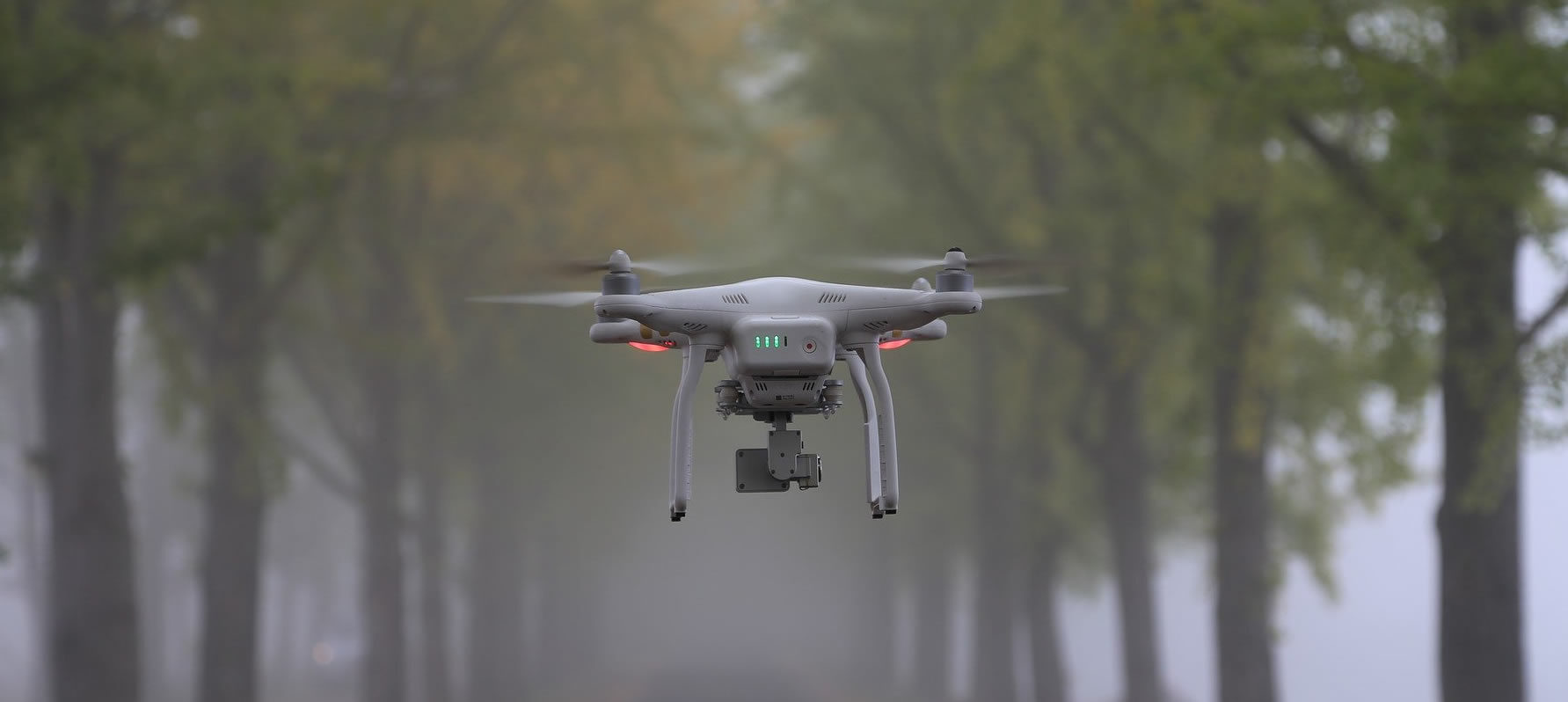
 Taking Photojournalism to New Heights
Leave a Reply