
Imagine this: The river is flooding. The editor of the newspaper tells a photographer to grab an overhead view of the rushing water.
“Be sure to get a shot from the middle of the river, where the whitecaps are visible,” the editor barks.
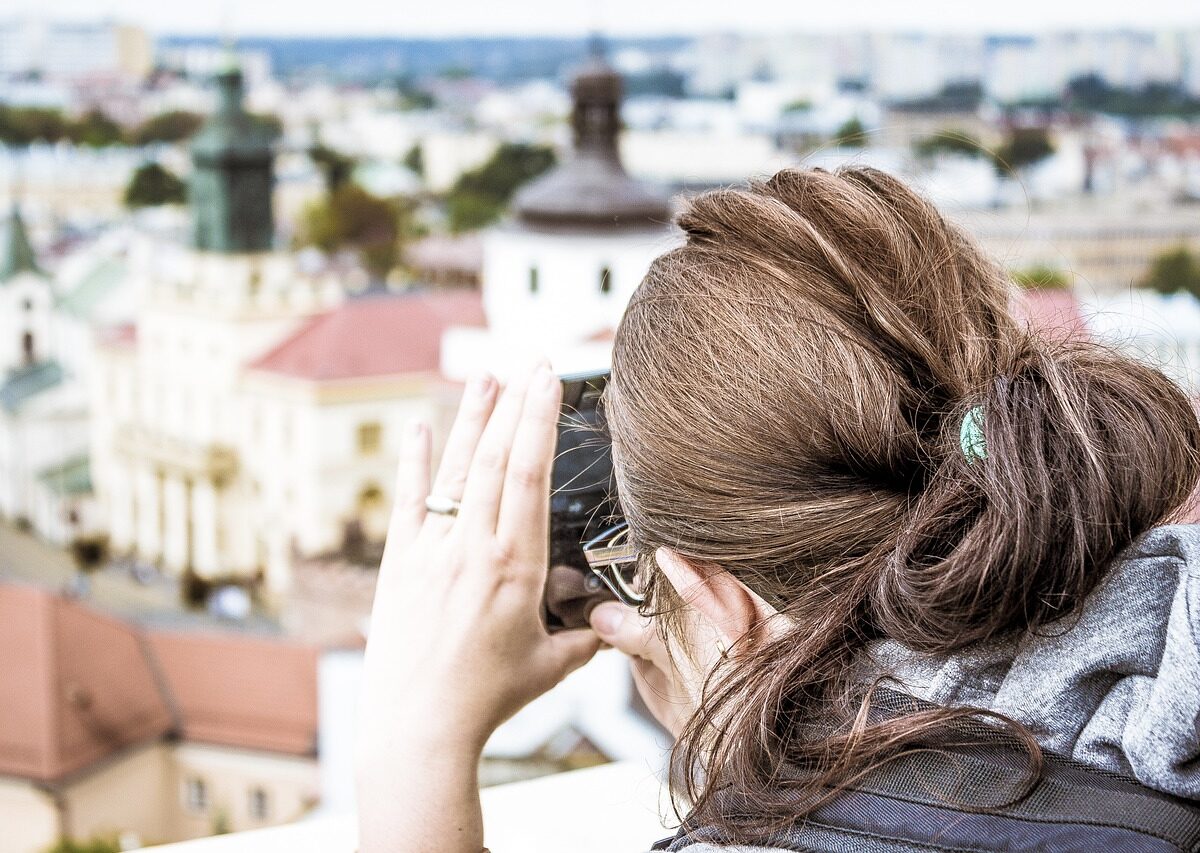
If this situation occurred several years ago, the photographer would be faced with a dangerous situation on a bridge. Not fun, but the editor wanted an aerial image of the river. So the photographer would dodge cars while walking to the middle of the span. Eighteen-wheelers might have rumbled past, spewing diesel fumes while wind buffeted the photog. Perhaps rain made the asphalt slippery. He or she leaned against the bridge railing and adjusted the camera lens. After snapping a few shots from the lofty perch, the photographer scrambled back across the bridge to a parked car.
Scary, huh?
That’s how most photojournalists used to capture overhead images. They climbed skyscrapers, bridges, rollercoasters, or pretty much any edifice providing an aerial vantage point. Sometimes they even rented full-size aircraft. Whatever it took to get the job done.
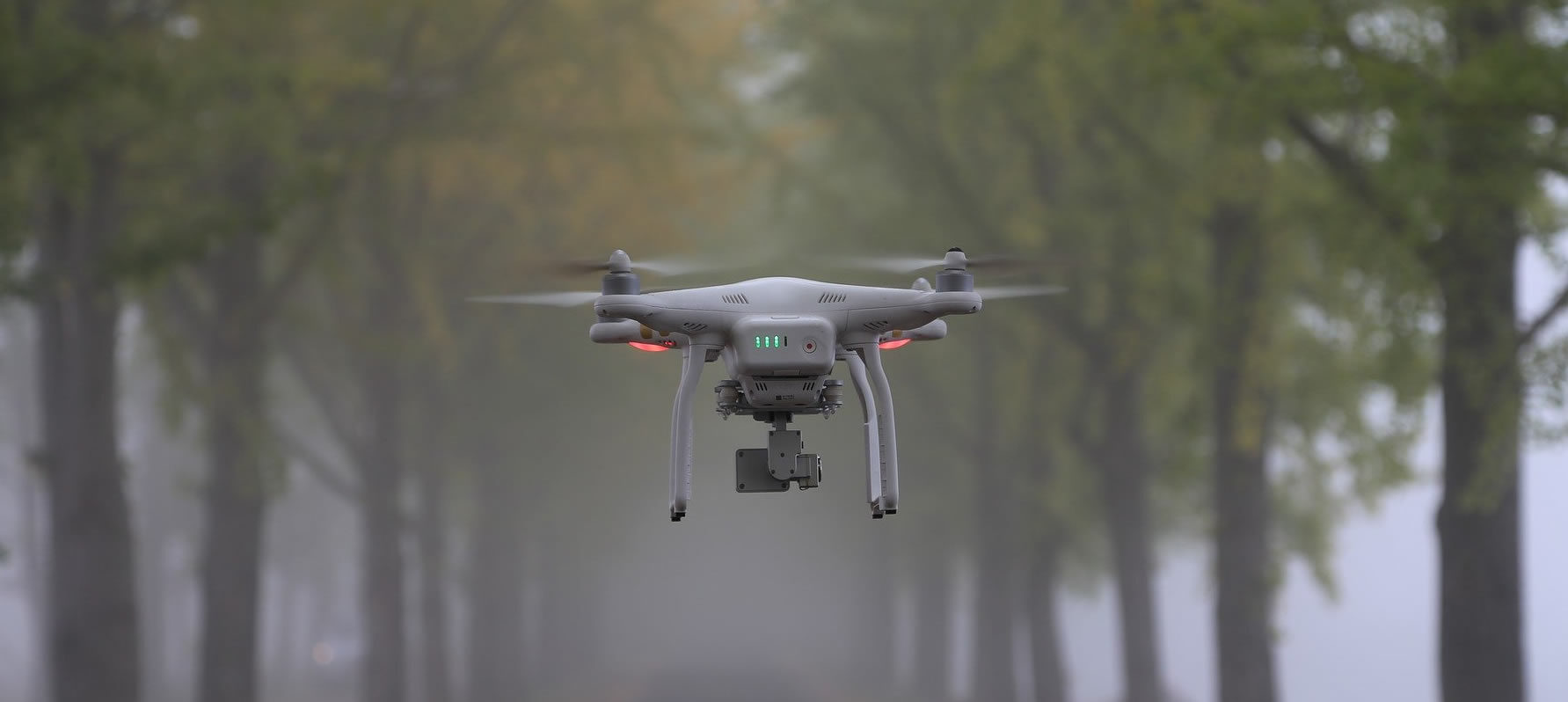
Thankfully, drones have changed that frightening aspect of photojournalism.
Why climb when you can use a flying camera with a built-in bird’s-eye view?

Mark Weber has been a newspaper photographer for 31 years. These days he works for The Daily Memphian digital newspaper in Memphis, Tennessee.
“Drones offer viewpoints not easily achievable with traditional photography,” Mark says. “In the days before drones, if photographers wanted aerial photos, they would climb to the top of the tallest buildings in town or rent a helicopter or small plane at a significant cost. Drones now offer aerial perspectives more accessible and affordable for amateur and professional photographers alike.”
Because newsgathering is considered a commercial endeavor, photojournalists who want to operate drones in the United States usually need a Part 107 Remote Pilot Certificate from the Federal Aviation Administration (FAA). The Part 107 license, also known as the Remote Pilot Certificate, requires the pilot to understand drone regulations and safe operating practices. This is also sometimes referred to as a “drone license.”
Paul Egglestone is a former TV producer who now runs the Media Innovation Studio at the University of Central Lancashire in England, and is developing a course module to train drone journalists. When it comes to photojournalism, Egglestone told the Global Investigative Journalism Network he sees the use of drones as a special skillset.
“It’s another tool in the box,” he said. “I don’t think we are going to approach the time when everyone carries a drone just in case, but there will certainly be specialist camera crews that acquire a drone for themselves.”
There’s little chance drones will replace traditional photography. But plenty of newspaper photographers are trained and licensed to use drones, and photojournalism is one of many fields made safer and easier by quadcopters — unless you enjoy climbing on bridges and skyscrapers.


Leave a Reply